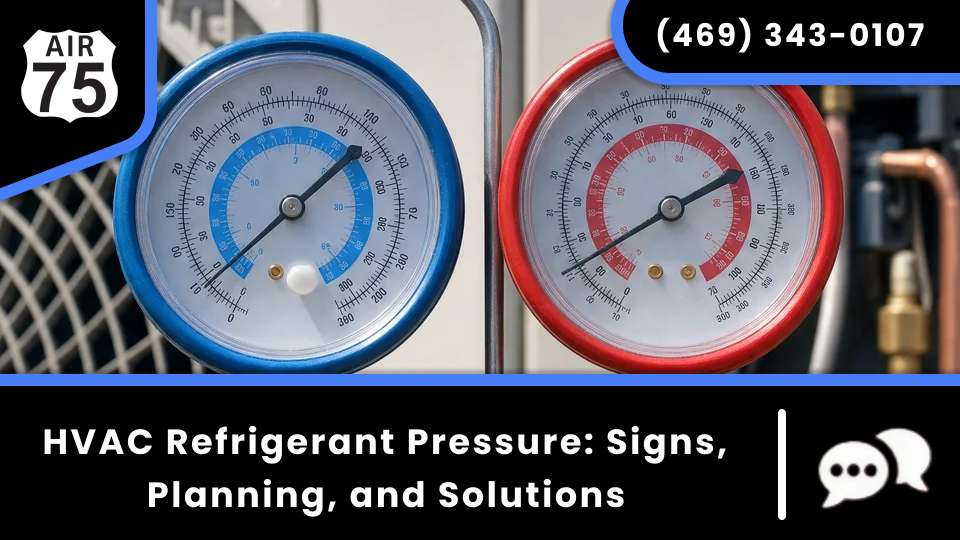
Furthermore, learn how to recognize refrigerant leak signs and understand why professional repair protects your system and the environment. Moreover, is your air conditioner running constantly but failing to cool your home? Consequently, an HVAC refrigerant leak is one of the most common reasons AC systems lose cooling capacity and efficiency. Furthermore, when an AC refrigerant leak develops, your system cannot absorb and transfer heat properly. Similarly, low refrigerant levels force your compressor to work harder, increasing energy costs and risking expensive damage. In addition, low freon situations do not happen naturally because refrigerant does not get used up during normal operation.
Consequently, declining levels always indicate a leak somewhere in the system. Furthermore, recognizing refrigerant leak signs early prevents minor issues from becoming major repairs. Moreover, AC leak symptoms often appear gradually, making them easy to miss until significant problems develop. Therefore, professional refrigerant leak repair locates and fixes the source before recharging your system properly. In addition, if you have noticed your AC struggling to cool, scheduling refrigerant leak repair near you with certified technicians protects your investment.
Understanding HVAC Refrigerant
Furthermore, before exploring HVAC refrigerant leak causes and solutions, understanding how refrigerant works helps homeowners appreciate its importance.
How Refrigerant Works
Moreover, refrigerant enables your AC to cool by absorbing heat from indoor air at the evaporator coil. Specifically, it carries that heat outside to the condenser coil where it releases it into the outdoor air. Furthermore, the refrigerant then returns inside to repeat the cycle continuously. In addition, it changes between liquid and gas states throughout this process. Consequently, this closed-loop system should never lose refrigerant under normal operation.
Types of Refrigerant
Similarly, different systems use different refrigerants depending on their age. Specifically, R-22 also known as Freon has been phased out and was common in systems before 2010. Moreover, R-410A also known as Puron is the current standard found in systems from 2010 to present. Furthermore, R-32 is a newer option found in the latest high-efficiency units. Consequently, according to the U.S. Environmental Protection Agency, R-22 is no longer manufactured, making low freon situations in older systems increasingly expensive.
Refrigerant Leak Signs Every Homeowner Should Know
Furthermore, recognizing refrigerant leak signs early minimizes damage and repair costs. Consequently, watch for these AC leak symptoms throughout your home.
Refrigerant Leak Signs: Reduced Cooling Capacity
Moreover, the most obvious symptom of low refrigerant is reduced cooling throughout the home. Specifically, your AC runs but the home stays warm no matter how long it operates. Furthermore, cooling takes much longer than normal and the temperature never reaches the thermostat setting. In addition, some rooms may feel cooler than others as the system struggles. Consequently, reduced cooling represents the primary AC leak symptoms homeowners notice first.
AC Leak Symptoms: Frozen Evaporator Coil
Furthermore, ice formation on your system indicates serious problems that need attention. Specifically, you may see ice visible on the indoor coil or refrigerant lines. Moreover, frost can appear on lines running to the outdoor unit as well. In addition, water pools around the indoor unit when that ice eventually melts. Consequently, frozen coils result from low freon causing pressure drops inside the system.
Refrigerant Leak Signs: Higher Energy Bills
Similarly, an HVAC refrigerant leak affects efficiency and drives up your monthly costs. Specifically, electric bills increase noticeably without any changes in your usage patterns. Moreover, the system runs longer to achieve the same level of cooling. Furthermore, your compressor works harder than normal to compensate for the loss. Consequently, rising bills without explanation often indicate AC refrigerant leak problems.
AC Leak Symptoms: Hissing or Bubbling Sounds
In addition, listen for unusual noises coming from your indoor or outdoor unit. Specifically, hissing sounds indicate refrigerant escaping through a leak point. Moreover, bubbling noises can help identify the general leak location in the system. Furthermore, these sounds may be intermittent and their volume indicates leak severity. Consequently, these sounds confirm an active HVAC refrigerant leak requiring immediate attention.
Refrigerant Leak Signs: Warm Air from Vents
Furthermore, checking the air temperature at your vents reveals important clues about performance. Specifically, the air may feel lukewarm instead of cold when you hold your hand near registers. Moreover, temperature can vary significantly between different vents throughout the home. In addition, humidity levels remain high because the system cannot dehumidify properly. Consequently, warm air confirms low refrigerant affecting overall system performance.
Common Causes of HVAC Refrigerant Leak
Moreover, understanding what causes an AC refrigerant leak helps with prevention and repair decisions for your home.
HVAC Refrigerant Leak from Corrosion
Furthermore, chemical reactions damage copper lines over time in many systems. Specifically, formic acid forms from household chemicals and attacks the copper material. Moreover, formaldehyde from building materials also contributes to corrosion damage. In addition, this corrosion creates tiny pinholes that allow refrigerant to escape slowly. Consequently, corrosion causes many HVAC refrigerant leak situations in aging systems.
AC Refrigerant Leak from Vibration
Similarly, normal operation stresses connections throughout your system over time. Specifically, compressor vibration loosens fittings and weakens joints gradually. Moreover, brazed joints can develop cracks from repeated flexing and movement. Furthermore, mounting issues can worsen vibration damage throughout the refrigerant lines. Consequently, vibration-related AC refrigerant leak problems develop gradually over months or years.
HVAC Refrigerant Leak from Physical Damage
In addition, external factors can cause leaks that show obvious refrigerant leak signs. Specifically, lawn equipment striking the outdoor unit can puncture coil fins and lines. Moreover, hail can damage condenser coils and create multiple small leak points. Furthermore, animals nesting near the unit or debris accumulation can also cause harm. Consequently, physical damage creates obvious refrigerant leak signs requiring immediate repair.
AC Refrigerant Leak from Poor Installation
Furthermore, installation errors cause problems that may not appear right away. Specifically, improper brazing of connections creates weak joints that fail over time. Moreover, over-tightened flare fittings can crack and develop leaks months later. In addition, inadequate leak testing at startup allows problems to go undetected. Consequently, poor installation leads to early low refrigerant situations in many homes.
Age and Wear
Moreover, systems deteriorate over time as materials reach the end of their lifespan. Specifically, seals and gaskets dry out and metal fatigues from temperature cycles. Furthermore, connections loosen with age and coils thin from years of continuous use. Consequently, older systems become increasingly prone to HVAC refrigerant leak problems.
Why Simply Adding Refrigerant Does Not Work
Furthermore, some homeowners want technicians to just top off refrigerant, but this approach fails for several important reasons.
Refrigerant Does Not Get Used Up
Moreover, understanding the closed system helps explain why topping off is never the answer. Specifically, refrigerant circulates continuously and none is consumed during operation. Furthermore, levels should remain constant for the entire life of the system. In addition, low freon always means a leak exists somewhere in the lines or coils. Consequently, adding more without fixing the leak wastes money every single time.
Problems with Repeated Recharging
Similarly, ignoring the leak and recharging repeatedly causes serious ongoing issues. Specifically, new refrigerant escapes through the same leak point and harms the environment. Moreover, you face ongoing expense for repeated service calls that solve nothing. Furthermore, the leak typically worsens over time and compressor damage increases. Consequently, proper refrigerant leak repair that addresses the root cause saves money long term.
Proper Refrigerant Leak Repair Approach
Furthermore, professional AC leak repair addresses the root cause for lasting results. Specifically, technicians locate all leak points accurately using specialized equipment. Moreover, they repair or replace damaged components and verify repairs with pressure testing. In addition, they evacuate the system properly and recharge with the correct refrigerant amount. Consequently, this approach provides lasting refrigerant leak repair results you can count on.
Professional Refrigerant Leak Repair Process
Moreover, understanding the refrigerant leak repair process helps you know what to expect from quality service.
Leak Detection Methods
Furthermore, technicians use multiple techniques to find every leak in your system. Specifically, electronic leak detectors sense refrigerant in the air and are highly sensitive to small leaks. Moreover, ultraviolet dye testing adds dye that circulates with refrigerant and glows under UV light at leak points. In addition, nitrogen pressure testing pressurizes the system and monitors for pressure drops to confirm the location. Consequently, combining these methods ensures technicians find every leak before beginning repair work.
Refrigerant Leak Repair Options
Similarly, the repair approach depends on leak location and severity in your system. Specifically, connection repair involves tightening loose fittings, re-brazing failed joints, and replacing damaged valves. Moreover, coil repair locates pinhole leaks and applies specialized sealants for accessible damage. Furthermore, component replacement involves replacing the leaking evaporator coil, condenser coil, or refrigerant lines entirely. Consequently, component replacement is the most reliable long-term solution for severe damage.
After AC Leak Repair
In addition, following refrigerant leak repair service, technicians complete several important steps. Specifically, they evacuate the system to remove all moisture from the lines. Moreover, they add the proper refrigerant charge and test for correct pressures throughout. Furthermore, they verify temperatures at vents and provide documentation of all work completed. Consequently, these steps ensure your system operates at peak efficiency after repair.
Finding Refrigerant Leak Repair Near You
Furthermore, when AC leak symptoms indicate refrigerant problems, professional service is essential for safe and effective repair.
What to Expect from Professional Service
Moreover, when scheduling refrigerant leak repair near you, expect a thorough and professional process. Specifically, technicians perform a thorough system evaluation followed by professional leak detection. Furthermore, they provide a clear explanation of findings along with repair options and costs. In addition, they complete quality repair work with proper refrigerant recharging and system verification. Consequently, professional service ensures lasting results and restored cooling performance.
Finding Quality Refrigerant Leak Repair Near You
Similarly, look for important qualifications when seeking refrigerant leak repair near you. Specifically, choose EPA Section 608 certified technicians from a licensed and insured HVAC company. Moreover, look for experience with your system type and proper leak detection equipment. Furthermore, check for positive customer reviews and ask for written estimates and warranties. Consequently, qualified professionals deliver reliable results and protect your investment.
Refrigerant Leak Repair Cost Considerations
Furthermore, AC leak repair costs vary by situation and the scope of work needed. Specifically, leak detection typically costs between 100 and 300 dollars for most systems. Moreover, minor connection repair ranges from 150 to 400 dollars depending on accessibility. In addition, refrigerant recharge for R-410A costs 100 to 300 dollars while R-22 costs 200 to 600 dollars or more. Furthermore, evaporator coil replacement ranges from 600 to 2,000 dollars and condenser coil replacement from 400 to 1,500 dollars. Consequently, getting a written estimate before work begins helps you budget for the repair.
Preventing Future HVAC Refrigerant Leak Problems
Moreover, after refrigerant leak repair, proper maintenance helps prevent recurrence and extends system life.
Regular HVAC Maintenance
Furthermore, annual service protects your system and catches problems early. Specifically, technicians check refrigerant levels and inspect connections for wear during each visit. Moreover, they clean coils to prevent corrosion and check for early leak detection. In addition, small problems caught during maintenance cost far less than emergency repairs. Consequently, regular service is the best way to prevent future HVAC refrigerant leak issues.
Protect Your Outdoor Unit
Similarly, preventing physical damage to your outdoor unit reduces leak risk significantly. Specifically, maintain proper clearance around the condenser and use caution with lawn equipment nearby. Moreover, install hail guards if your area experiences frequent severe weather. Furthermore, keep vegetation trimmed back and prevent debris accumulation around the unit. Consequently, simple protective measures prevent many AC refrigerant leak situations.
Address Problems Promptly
In addition, never ignore warning signs because early action prevents costly damage. Specifically, investigate reduced cooling immediately and note any unusual sounds from the system. Moreover, watch for ice formation on coils or lines and monitor energy bills for unexplained increases. Consequently, schedule service at the first refrigerant leak signs to minimize repair costs and protect your equipment.
Final Thoughts on HVAC Refrigerant Leak
Furthermore, an HVAC refrigerant leak compromises your comfort, increases energy costs, and can damage expensive system components if ignored. Moreover, recognizing refrigerant leak signs and AC leak symptoms early allows you to address problems before they escalate into major repairs.
Consequently, low refrigerant and low freon situations always indicate leaks that require professional refrigerant leak repair rather than simple recharging. Furthermore, an AC refrigerant leak will not fix itself, and continued operation with low refrigerant risks compressor failure. Therefore, schedule refrigerant leak repair near you with certified HVAC technicians at the first sign of cooling problems.
Phone: (469) 343-0107
Email: info@air75hvac.com
Website: https://www.air75hvac.com/