Furthermore, HVAC furnace ignitor problems prevent your heating system from starting and leave your home cold. Moreover, a failing furnace ignitor or broken furnace ignitor means the burners cannot light even when the thermostat calls for heat. Consequently, furnace ignitor issues cause your system to cycle on and off without ever producing warm air for your home. In addition, furnace ignitor repair restores reliable heating and prevents unnecessary strain on other system components. Similarly, a furnace ignitor fix often resolves the most common reason a furnace refuses to start in cold weather. Therefore, furnace ignitor replacement is the best option when the ignitor cracks, weakens, or fails completely. Specifically, furnace ignitor installation with a quality part ensures dependable starts for years to come. Furthermore, if you need furnace ignitor repair near you, acting fast protects your family from cold exposure.
How a Furnace Ignitor Works
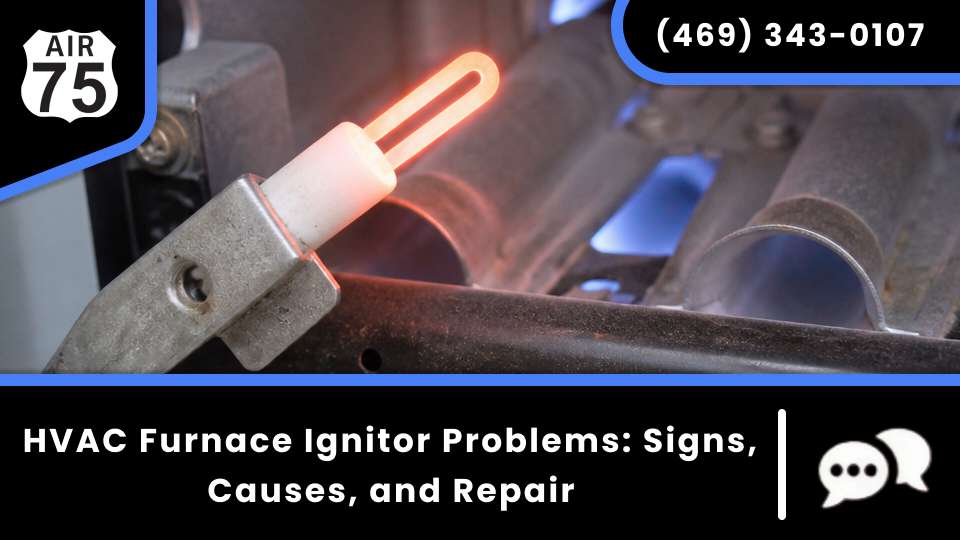
Furthermore, the furnace ignitor is a small but critical component that lights the gas burners inside your furnace. Moreover, modern furnaces use a hot surface ignitor made of silicon carbide or silicon nitride material. Specifically, when the thermostat calls for heat, the control board sends electricity to the ignitor element. Consequently, the ignitor heats up to over 1,800 degrees in about 30 to 60 seconds before ignition occurs. Therefore, HVAC furnace ignitor problems mean the gas valve opens but the burners have no heat source to light them.
Signs of HVAC Furnace Ignitor Problems
Furnace Will Not Start
Furthermore, the most obvious sign of HVAC furnace ignitor problems is a furnace that will not start at all. Specifically, you hear the system turn on and the inducer motor runs but the burners never light up. Moreover, a failing furnace ignitor cannot reach the temperature needed to ignite the gas safely. Consequently, the control board shuts the system down after a few failed attempts to protect your home.
Furnace Starts Then Shuts Off Quickly
Moreover, a furnace that lights briefly then shuts off may have furnace ignitor issues developing gradually. Specifically, a weakening ignitor takes too long to reach ignition temperature for consistent performance. Furthermore, the flame sensor may detect an unstable flame caused by a slow or uneven ignitor start. Consequently, furnace ignitor repair at this stage prevents a complete failure during the coldest nights.
Cold Air Blowing from Vents
Similarly, cold air from your vents when heat is running confirms the burners are not lighting properly. Specifically, the blower motor pushes air through the system but no heat reaches the heat exchanger at all. Furthermore, a broken furnace ignitor is the most common cause of this exact symptom in gas furnaces. Consequently, a furnace ignitor fix resolves the issue and restores warm air to every room.
Clicking Sounds Without Ignition
In addition, repeated clicking followed by no ignition points directly to HVAC furnace ignitor problems. Specifically, the control board keeps retrying the ignition sequence and failing every single cycle. Moreover, most systems allow three to four attempts before locking out for safety protection entirely. Consequently, a lockout condition requires a manual reset and usually signals the need for furnace ignitor replacement.
Common Causes of Furnace Ignitor Issues
Normal Wear and Age
Furthermore, furnace ignitors are wear items that degrade with every heating cycle over the years. Specifically, the extreme heat causes micro-cracks in the ignitor element that weaken it gradually. Moreover, most ignitors last between three and seven years depending on usage and quality level. Consequently, HVAC furnace ignitor problems from normal wear are expected in systems older than five years.
Power Surges and Electrical Issues
Moreover, electrical surges damage the delicate ignitor element and shorten its lifespan significantly. Specifically, a lightning strike or power grid fluctuation can crack the ignitor in a single event instantly. Furthermore, voltage irregularities from aging wiring stress the element during every heating cycle over time. Consequently, the Air Conditioning Contractors of America recommends surge protectors for all HVAC systems.
Oil and Contamination
Similarly, touching the ignitor with bare hands deposits oils that create hot spots on the element surface. Specifically, these hot spots cause uneven heating that leads to premature cracking and failure over time. Furthermore, dust buildup on the ignitor insulates the surface and forces it to work harder each cycle. Consequently, a failing furnace ignitor from contamination may look intact but performs well below specifications.
Furnace Ignitor Repair Options
Furthermore, the right furnace ignitor repair approach depends on whether the ignitor has failed or is just weakening. Moreover, a technician tests the ignitor resistance with a multimeter to determine its condition accurately. Consequently, testing confirms whether furnace ignitor repair or full replacement is the correct next step.
When a Furnace Ignitor Fix Is Enough
Moreover, minor furnace ignitor issues sometimes respond to cleaning and electrical connection repair work. Specifically, loose wiring connections can mimic a broken furnace ignitor by preventing power from reaching it. Furthermore, cleaning dust off the element can temporarily restore performance in borderline cases. Consequently, a furnace ignitor fix for connection problems is fast and saves the cost of a new part.
When Furnace Ignitor Replacement Is Necessary
Furthermore, furnace ignitor replacement is necessary when the element is cracked, broken, or reads out of specification. Specifically, a cracked ignitor cannot be repaired and will fail completely within a few more heating cycles. Moreover, an ignitor with high resistance draws excessive current and may damage the control board too. In addition, upgrading to a silicon nitride ignitor during furnace ignitor installation provides longer life. Consequently, replacement is the most reliable and cost-effective solution for a failed ignitor.
What to Expect During Furnace Ignitor Installation
Similarly, professional furnace ignitor installation takes about 30 to 45 minutes for most standard furnaces. Specifically, the technician shuts off power, removes the access panel, and disconnects the old ignitor carefully. Moreover, they install the new ignitor without touching the element and secure all electrical connections. Furthermore, they test the system through multiple heating cycles to confirm reliable ignition each time. Consequently, proper furnace ignitor installation restores dependable heat on the very first service visit.
Finding Furnace Ignitor Repair Near You
Moreover, when searching for furnace ignitor repair near you, choose a company with heating system expertise. Specifically, look for licensed technicians who carry common ignitor parts on their service trucks for speed. Furthermore, ask about same-day service because a failed ignitor leaves your home without heat entirely. In addition, read customer reviews that mention furnace or heating repair work specifically. Consequently, a qualified provider for furnace ignitor repair near me arrives prepared to restore your heat fast.
Similarly, expect a written estimate before any furnace ignitor repair work begins on your system. Furthermore, ask about warranties on parts and labor for the furnace ignitor fix or replacement. Consequently, comprehensive service from a trusted provider prevents future HVAC furnace ignitor problems.
Preventing Future HVAC Furnace Ignitor Problems
Furthermore, annual furnace maintenance is the best way to extend ignitor life and catch problems early. Specifically, technicians inspect the ignitor element and test resistance during every fall tune-up visit. Moreover, keeping your furnace filter clean reduces dust that settles on the ignitor and degrades it. In addition, installing a whole-house surge protector shields the ignitor from electrical damage year round. Consequently, preventive care costs far less than an emergency furnace ignitor replacement in the middle of winter.
Final Thoughts on HVAC Furnace Ignitor Problems
Furthermore, HVAC furnace ignitor problems are the leading cause of furnaces that will not start during cold weather. Moreover, a failing furnace ignitor or broken furnace ignitor leaves your home without heat when you need it most. Consequently, whether you need a furnace ignitor fix or complete furnace ignitor replacement, act quickly. Therefore, contact Air 75 for furnace ignitor repair near you today.
Phone: (469) 343-0107
Email: info@air75hvac.com
Website: https://www.air75hvac.com/