HVAC condenser coil problems are one of the most common reasons an air conditioner stops cooling effectively. A dirty condenser coil forces your system to work harder than it should. A clogged condenser coil causes indoor temperatures to rise even when the system runs continuously. A condenser coil leak lets refrigerant escape and brings cooling to a halt entirely. When AC is not cooling and the condenser coil is the culprit, homeowners often wait too long before calling a professional. This guide covers every major sign of HVAC condenser coil problems, explains what causes condenser coil damage, walks through condenser coil cleaning as a preventive solution, and helps you decide when repair or replacement is the right call.
What the Condenser Coil Does and Why It Matters
The condenser coil sits inside the outdoor unit of your HVAC system. Its job is to release the heat that the refrigerant absorbed from inside your home. Hot refrigerant enters the coil as a high-pressure gas. The coil transfers that heat to the outdoor air as a fan blows across it. The refrigerant exits the coil as a cooled liquid and travels back inside to absorb more heat and repeat the cycle.
When the condenser coil works correctly, this heat exchange process runs efficiently and keeps your home comfortable. When HVAC condenser coil problems develop, the coil cannot release heat fast enough. The system strains to compensate. Energy consumption rises, cooling performance drops, and internal components face accelerated wear. Catching condenser coil failure early protects the compressor, which is the most expensive component in the entire system.
Dirty Condenser Coil: The Most Common HVAC Condenser Coil Problem
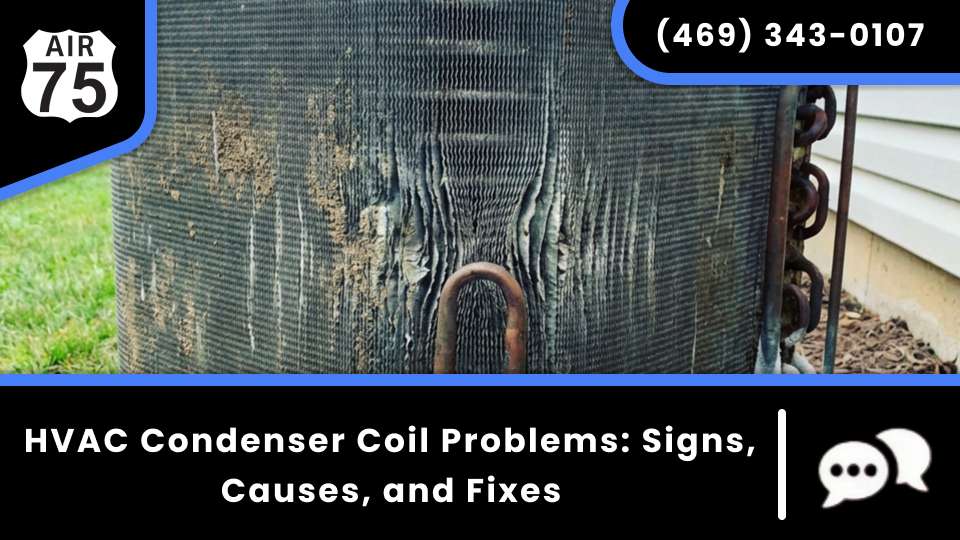
A dirty condenser coil is the most frequent of all HVAC condenser coil problems, AC not cooling condenser coil and the easiest to prevent. The outdoor unit draws in large volumes of air across the coil fins to release heat. That airflow also pulls in dirt, dust, grass clippings, cottonwood seeds, and other debris. Over time those particles pack into the coil fins and create a thick insulating layer. That layer blocks the heat exchange the coil exists to perform.
Signs of a dirty condenser coil
- The system runs longer than usual to reach the thermostat setting
- The air coming from the vents feels less cool than normal
- The outdoor unit feels unusually hot to the touch
- Energy bills rise during cooling season without an obvious explanation
- The system short cycles or shuts off on high-pressure lockout
A clogged condenser coil that goes uncleaned forces the compressor to run at higher pressures and temperatures when AC not cooling condenser coil. This accelerates wear on the compressor and contactor and can shorten the system’s service life by several years.
Condenser Coil Cleaning: How It Works and How Often It Is Needed
Condenser coil cleaning is the most effective way to prevent HVAC condenser coil problems like clogged condenser coil before they damage other components. Most HVAC manufacturers recommend cleaning the condenser coil at least once per year. Homes near construction sites, wooded areas, or cottonwood trees benefit from condenser coil cleaning twice per year.
What condenser coil cleaning involves
A technician shuts the system down and removes the access panels from the outdoor unit to fix clogged condenser coil. The technician applies a coil cleaning solution to the fins and lets it penetrate the debris layer. A low-pressure rinse removes the solution and loosens material from the coil. The technician straightens any bent fins with a fin comb to restore proper airflow. The unit is then reassembled and restarted. A professional condenser coil cleaning also includes inspection of the refrigerant lines, electrical connections, and fan motor while the unit is open.
Can homeowners clean the condenser coil themselves?
Light surface debris on the outside of the outdoor unit is safe to rinse with a garden hose from the inside out. This removes loose grass and leaves without requiring professional tools. However, a thorough condenser coil cleaning that reaches debris packed deep in the fins requires coil cleaner solution and proper rinsing technique. Pressure washing the coil bends the aluminum fins and makes the problem worse. For anything beyond a light exterior rinse, professional condenser coil cleaning is the safer and more effective option.
Keep the area around the outdoor unit clear of grass, shrubs, and debris year-round. Maintain at least two feet of clearance on all sides. This simple habit reduces how quickly a dirty condenser coil develops and extends the time between professional condenser coil cleaning visits.
Condenser Coil Leak: Signs, Causes, and What Happens Next
A condenser coil leak is a more serious form of HVAC condenser coil problem. Unlike a dirty condenser coil that restricts performance gradually, a condenser coil leak allows refrigerant to escape the system. Refrigerant is the substance that carries heat out of your home. When it leaks, the system loses the ability to cool at all.
Signs of a condenser coil leak
- The AC is not cooling despite the system running continuously
- Ice forms on the refrigerant lines or evaporator coil indoors
- A hissing or bubbling sound comes from the outdoor unit
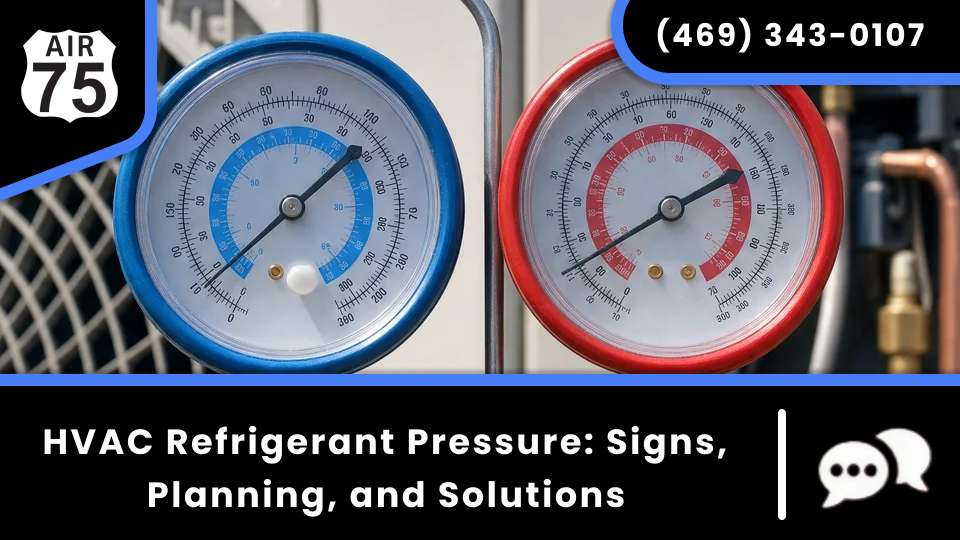
- The technician records low refrigerant pressure on the manifold gauges
- Oil stains appear near the coil connections where refrigerant and lubricating oil escape together
What causes a condenser coil leak
Formicary corrosion is the leading cause of refrigerant leaks in condenser coils. Formic acid in outdoor air reacts with the copper tubing inside the coil and creates tiny pinhole leaks over time. This type of corrosion accelerates in areas with high air pollution or near certain cleaning products. Physical damage from lawn equipment, hail, or debris impact also punctures coil tubing and creates a condenser coil leak. In older systems, coil connections and brazed joints simply weaken with age and develop leaks at the seams.
What happens when a condenser coil leak goes untreated
A refrigerant leak condenser coil situation does not resolve on its own. Refrigerant does not deplete through normal operation. Every drop that escapes through a condenser coil leak is gone until a technician recharges the system. Running a system with low refrigerant damages the compressor because the compressor depends on refrigerant flow for cooling and lubrication. A condenser coil leak that costs a few hundred dollars to repair can lead to compressor failure that costs several thousand dollars to replace.
Refrigerant handling requires an EPA Section 608 certification. Never attempt to add refrigerant to a system yourself. A technician must locate and repair the condenser coil leak before recharging the system. Recharging without fixing the leak wastes refrigerant and masks the underlying problem.
AC Not Cooling: When the Condenser Coil Is the Cause
AC not cooling is the most common complaint that leads homeowners to discover HVAC condenser coil problems. The condenser coil is not always the cause of poor cooling, but it is one of the first components a technician checks during a diagnostic visit. Understanding the difference between a coil-related cooling problem and other causes helps you describe the symptoms accurately when you call for service.
Condenser coil vs. other causes of poor cooling
An air conditioner not cooling properly because of a dirty condenser coil typically runs continuously without reaching the set temperature. The air from the vents feels cool but not as cold as normal. An air conditioner not cooling because of a condenser coil leak often produces air that feels barely cool or room temperature at best. The system may freeze up and stop blowing air altogether as the evaporator coil ices over from low refrigerant.
Other causes of AC not cooling include a dirty air filter, a failing compressor, low refrigerant from a different leak point, a faulty thermostat, or ductwork leaks. A professional diagnostic visit tests refrigerant pressure, airflow, and electrical components to confirm whether HVAC condenser coil problems are behind the poor cooling or whether another system is at fault.
Condenser Coil Repair vs. Replacement: How to Decide
Not every HVAC condenser coil problem requires a full coil replacement. The right decision depends on the type of problem, the age of the system, and the cost of repair relative to replacement.
When repair makes sense
A small condenser coil leak at an accessible joint or connection is often repairable. The technician locates the leak, repairs the damaged section, pressure tests the coil, and recharges the refrigerant. This approach works well on systems less than ten years old where the rest of the equipment is in good condition. A dirty condenser coil always warrants cleaning rather than replacement because the coil itself is undamaged.
When replacement is the better choice
Widespread formicary corrosion across multiple coil sections makes repair impractical. Patching one leak only delays the next one. A technician who finds evidence of corrosion throughout the coil will typically recommend full condenser coil replacement. Replacement also makes sense when the system is over 10 to 12 years old, when the refrigerant type is the older R-22 that is no longer produced, or when the repair cost exceeds half the cost of a new outdoor unit. In those cases, investing in a new condenser or full system replacement delivers better long-term value.
Ask your technician for a written estimate that compares repair cost, replacement cost, and the expected remaining service life of the current system. This comparison makes the repair versus replacement decision straightforward rather than a judgment call under pressure.
How to Prevent HVAC Condenser Coil Problems
Most HVAC condenser coil problems are preventable with a consistent maintenance routine. These habits extend coil life and protect the compressor from the added strain that coil problems cause.
- Schedule annual professional maintenance. A technician cleans the condenser coil, checks refrigerant pressure, inspects electrical connections, and tests the fan motor every year. Annual maintenance catches condenser coil failure in its early stages before it damages surrounding components.
- Keep the outdoor unit clear. Remove grass clippings, leaves, and debris from around the unit after every lawn service. Trim back any shrubs or plants that grow within two feet of the unit.
- Change the air filter regularly. A clean filter protects the evaporator coil indoors and reduces the overall strain on the system, which in turn reduces the workload on the condenser coil outside.
- Cover the unit properly in winter. A breathable cover during the off-season keeps cottonwood seeds and debris out of the outdoor unit and reduces how much material packs into the coil fins before the cooling season begins.
- Act on warning signs immediately. Rising energy bills, AC not cooling properly, or unusual sounds from the outdoor unit all warrant a service call. Early condenser coil cleaning or a small condenser coil leak repair always costs less than the compressor damage that follows from delayed action.
Resolve Problems Before They Cost You More
HVAC condenser coil problems like clogged condenser coil compound quickly. A dirty condenser coil that goes uncleaned becomes a driver of compressor failure. A condenser coil leak that goes unrepaired destroys the refrigerant charge and then the compressor. AC not cooling because of a neglected coil issue becomes a full system replacement situation faster than most homeowners expect. Whether you need professional condenser coil cleaning, a leak repair, or a full coil assessment, addressing the problem early always saves money and extends the life of your system.
Air 75 is ready to diagnose and fix HVAC condenser coil problems of any kind like clogged condenser coil. Contact us today to schedule a service visit and get your system cooling efficiently again.
Phone: (469) 343-0107
Email: info@air75hvac.com
Website: https://www.air75hvac.com/