A Complete Guide to Selecting the Best Heating and Cooling Solution for Your House
Choosing the right HVAC system for your home is one of the most important decisions you’ll make for comfort, efficiency, and long-term savings. Your HVAC (Heating, Ventilation, and Air Conditioning) system controls the climate inside your home, affecting everything from your energy bills to air quality. With many types and options available, this guide will help you understand how to choose the right HVAC system for your home by covering essential factors, available system types, and the steps to find the perfect match for your needs.
Why Replacing Your HVAC System Matters
An outdated or inefficient HVAC system can cause a range of problems that affect your comfort and wallet. Here are some reasons to consider a system replacement:
- Rising Energy Costs: Older units consume more energy, driving up your bills.
- Frequent Repairs: If your system breaks down often, it’s a sign of aging and inefficiency.
- Uneven Heating or Cooling: Some rooms may be too hot or too cold, indicating system struggles.
- Poor Indoor Air Quality: Old HVAC units may circulate dust, allergens, and moisture.
- Lack of Modern Features: New systems offer smart thermostats, zoning, and better energy ratings.
Typically the Best HVAC system lasts between 10 to 15 years. If yours is nearing that age or showing signs of decline, replacement is often the most cost-effective option for long-term comfort and savings.
Types of HVAC Systems to Consider
Understanding the different HVAC system types is essential for choosing one that fits your home’s layout, climate, and lifestyle.
1. Split Systems
- Most common residential HVAC option.
- Consist of an outdoor condenser and an indoor furnace or air handler.
- Provide both heating and cooling through ductwork.
2. Packaged Systems
- Contain all components in a single outdoor unit.
- Ideal for homes with limited indoor space.
- Can be easier and quicker to install.
3. Ductless Mini-Split Systems
- Best for homes without existing ductwork.
- Allow for zoning and individual room control.
- Energy-efficient and flexible for room additions.
4. Heat Pumps
- Transfer heat to provide heating and cooling.
- Excellent efficiency in moderate climates.
- Available in ducted and ductless versions.
5. Geothermal Heat Pumps
- Use the earth’s constant underground temperature to heat and cool.
- High upfront cost but significant long-term energy savings.
- Environmentally friendly and low-maintenance.
Key Factors to Consider Before Buying
Choosing an HVAC system involves balancing multiple considerations. Here are the critical factors to weigh:
Proper System Size
An HVAC system must be sized correctly to your home’s needs. Oversized systems waste energy by cycling on and off too frequently, while undersized systems struggle to maintain comfort. Professionals use load calculations considering:
- Square footage
- Insulation quality
- Number and type of windows
- Local climate
Energy Efficiency Ratings
High efficiency means lower energy bills and a reduced environmental footprint. Key metrics include:
- SEER (Seasonal Energy Efficiency Ratio): Higher SEER ratings indicate better cooling efficiency.
- AFUE (Annual Fuel Utilization Efficiency): Measures heating efficiency for furnaces.
Budget Considerations
While initial costs matter, think long-term:
- Purchase price and installation costs.
- Expected energy savings over the system’s lifetime.
- Maintenance and repair expenses.
Investing in a more efficient system may save money over time.
Zoning Capabilities
If your home has multiple floors or rooms with different heating/cooling needs, a system with zoning lets you control temperatures in each zone independently. This improves comfort and saves energy.
Smart Thermostat Compatibility
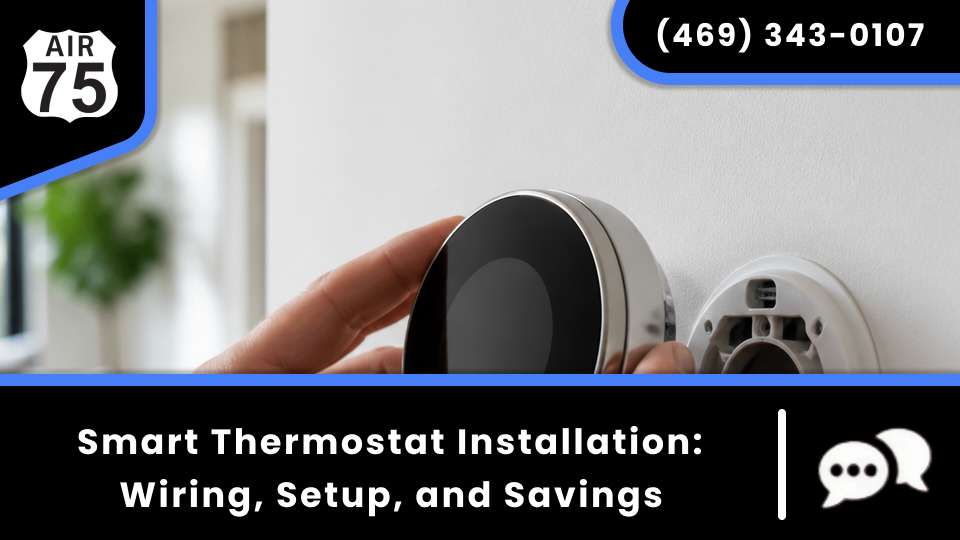
Modern HVAC systems often integrate with smart thermostats, allowing remote control, scheduling, and energy tracking—offering both convenience and savings.
Steps to Choose the Right HVAC system for your home
Making a well-informed decision involves a clear process:
Step 1: Professional Home Assessment
Hire a licensed HVAC technician to evaluate your home’s heating and cooling needs, inspect ductwork, and recommend suitable systems.
Step 2: Research HVAC Systems
Compare options based on:
- Energy efficiency
- Features like zoning or smart controls
- Warranty and service plans
- Customer reviews
Step 3: Installation Requirements
Consider if your home needs ductwork upgrades, electrical adjustments, or extra space for the system.
Step 4: Explore Rebates and Incentives
Check federal, state, and utility company programs offering rebates or tax credits for energy-efficient HVAC installations.
Step 5: Choose a Reliable Contractor
Select certified HVAC professionals with positive reviews to ensure proper installation and warranty coverage.
Benefits of the Right HVAC System Replacement
Choosing the correct HVAC system provides many long-term advantages:
- Lower Energy Bills: More efficient systems reduce monthly costs.
- Improved Comfort: Even temperatures throughout your home.
- Better Indoor Air Quality: Enhanced filtration keeps allergens and dust at bay.
- Reduced Repairs: Reliable systems need less maintenance.
- Increased Home Value: Energy-efficient upgrades attract buyers and improve resale value.
Common Mistakes to Avoid
To protect your investment, steer clear of these errors:
- Skipping professional sizing calculations.
- Choosing systems based solely on upfront cost.
- Overlooking installation and ductwork needs.
- Ignoring warranty terms and maintenance requirements.
- Failing to compare multiple quotes and products.
How to Maintain Your New HVAC System
Proper maintenance keeps your system efficient and prolongs its life:
- Schedule professional inspections twice yearly.
- Replace or clean air filters every 1-3 months.
- Keep outdoor units clear of debris and vegetation.
- Listen for unusual noises and check for leaks.
- Use programmable or smart thermostats to optimize usage.