Compare energy-efficient heating and cooling options to find the right system for your home and climate
As homeowners look for better energy performance, lower utility bills, and smarter climate control, many find themselves weighing the benefits of heat pumps vs traditional HVAC systems. While both technologies aim to keep your home comfortable year-round, they do so in very different ways—and each has its own strengths and limitations.
Whether you’re building a new home or exploring HVAC replacement options, it’s essential to understand how heat pump vs HVAC system designs compare. In this article, we’ll break down the pros and cons of each, covering cost, performance, climate suitability, and long-term efficiency.
What Is the Difference Between a Heat Pump and a Traditional HVAC System?
Let’s start with the basics.
Traditional HVAC System
Most traditional HVAC systems use:
- A furnace for heating (gas, oil, or electric)
- A central air conditioner for cooling
- Separate components for each function
These systems rely on combustion or electric resistance for heating, and refrigerant cycles for cooling. They’re very common in areas with harsh winters.
Heat Pump System
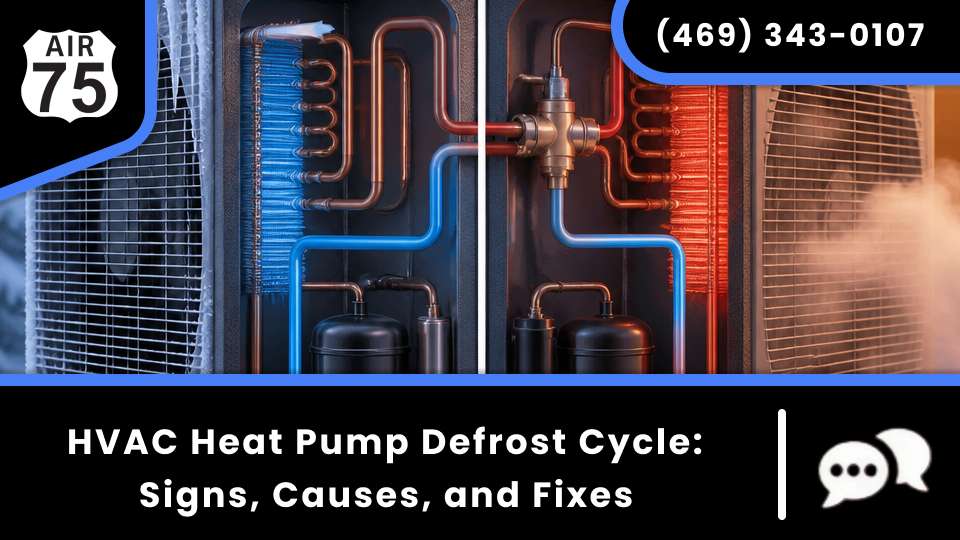
Heat pumps, on the other hand, use a single unit to both heat and cool your home. They operate by transferring heat rather than generating it.
- In winter: extracts heat from the air (even cold air) and moves it indoors
- In summer: works like an air conditioner, removing heat from inside the home
This dual-functionality makes heat pumps an appealing energy-efficient heating and cooling solution, especially in moderate climates.
Heat Pumps vs Traditional HVAC: The Pros and Cons
Now that you know the difference, let’s explore the advantages and disadvantages of each system.
Pros of Heat Pumps
1. Energy Efficiency
Heat pumps use electricity to transfer heat rather than generate it, making them one of the most high-efficiency HVAC systems available.
- Can reduce heating energy use by up to 50% compared to furnaces
- Great for lowering monthly utility bills
2. Year-Round Operation
With heating and cooling in one unit, heat pumps simplify your system and reduce installation complexity.
- No need for separate AC and furnace units
- Fewer moving parts = lower maintenance
3. Environmentally Friendly
Because they don’t rely on fossil fuels, heat pumps reduce your home’s carbon footprint.
- Ideal for eco-conscious homeowners
- Can be paired with solar for even more savings
4. Safer Operation
No combustion means no risk of carbon monoxide leaks, which are a safety concern with gas furnaces.
Cons of Heat Pumps
1. Less Effective in Cold Climates
In very cold weather (below 25°F), heat pumps struggle to extract enough heat.
- May require a backup system (like electric resistance heat or furnace)
- Not the best HVAC system for cold climates without hybrid integration
2. Higher Upfront Cost
While prices have come down in recent years, heat pump installation can still be more expensive than a traditional furnace.
- Can range between $5,000–$12,000 depending on size and type
- Ductless systems or ground-source units can cost even more
3. May Require Electrical Upgrades
Older homes may need updated electrical panels or wiring to support the load of a new heat pump system.
Pros of Traditional HVAC Systems
1. Reliable in All Climates
Traditional systems are better suited for areas with freezing winters. A gas furnace provides strong, steady heat no matter how cold it gets.
- Ideal for northern states and regions with snow-heavy seasons
- No need for supplemental heating
2. Lower Initial Cost
Installing a furnace and AC separately often costs less than a high-efficiency heat pump setup.
- More affordable upfront, especially if ductwork is already in place
- Simple repairs and more technicians available
3. Widespread Availability
Because they’ve been the standard for decades, traditional HVAC systems are easier to source, service, and replace.
- More brands and models to choose from
- Replacement parts widely available
Cons of Traditional HVAC Systems
1. Lower Efficiency
Separate heating and cooling systems typically use more energy than a single, unified heat pump.
- May lead to higher monthly bills
- Especially inefficient in shoulder seasons (spring/fall)
2. Uses Fossil Fuels
Gas furnaces burn natural gas or oil, contributing to greenhouse gas emissions.
- Less eco-friendly than electric systems
- Carbon monoxide and combustion safety concerns
3. More Maintenance
Two separate systems = two sets of maintenance routines, two aging timelines, and more potential points of failure.
Which Is Better for Cold Climates?
If you live in a region with harsh winters, a traditional HVAC system with a high-efficiency furnace may be more reliable and cost-effective. However, there are ways to make heat pumps work in cold climates:
- Choose a cold-climate heat pump, which can operate efficiently down to 5°F or lower
- Install a dual-fuel system, which uses a heat pump for mild weather and a gas furnace for freezing temps
- Consider ductless mini-splits with backup heating options
In most cases, the best HVAC for winter balances efficiency with reliability—so homeowners in cold areas may lean toward hybrid systems that offer the best of both worlds.
Cost Comparison: Heat Pump vs HVAC System
Let’s break down the average costs (note: prices vary by region and home size):
| Category | Heat Pump | Traditional HVAC |
|---|---|---|
| Installation | $5,000–$12,000 | $4,000–$10,000 |
| Energy Efficiency | Very High | Moderate |
| Monthly Utility Cost | Lower | Higher (especially gas heating) |
| Maintenance | Lower (1 unit) | Higher (2 systems) |
| Lifespan | 15–20 years | 15–25 years |
Over time, a heat pump may offer better energy savings—but the upfront investment and local climate are major factors.
When to Consider Heat Pump Installation
You should consider installing a heat pump if:
- You live in a moderate or warm climate
- You want to lower your energy use and carbon footprint
- You’re replacing both a furnace and an AC at once
- You’re building a new home and want modern efficiency
- You’re switching from oil or propane heating
Modern heat pumps are also compatible with smart thermostats, zoning systems, and home automation—making them a great fit for energy-conscious households.
Are There Alternatives to Traditional HVAC?
Yes! If neither a heat pump nor standard HVAC system fits your needs, you might consider:
- Ductless mini-splits for room-by-room comfort and great zoning
- Geothermal heat pumps for high-efficiency but with a bigger investment
- Hybrid systems that combine a furnace and heat pump
These alternatives to traditional HVAC offer flexible configurations that may better suit homes with specific layout or energy goals.
Final Verdict: Heat Pumps vs Traditional HVAC
Choosing between a heat pump vs HVAC system depends on your climate, energy priorities, and budget.
Choose a Heat Pump if:
- You live in a mild or warm climate
- You want an energy-efficient heating and cooling solution
- You’re aiming to reduce fossil fuel use
- You want a single, all-in-one unit with low maintenance
Choose a Traditional HVAC System if:
- You live in a cold climate with freezing winters
- You want maximum heating reliability
- You already have compatible ductwork
- You prefer lower upfront costs
Next Steps: Consult a Professional
Still unsure which system is right for you? Talk to a licensed HVAC professional to evaluate your home’s layout, energy use, and climate needs. They can walk you through the pros and cons, pricing, and available rebates for high-efficiency HVAC systems.
Whether you’re replacing an old unit or starting fresh, making the right choice today can mean years of savings, comfort, and peace of mind.