Learn how to diagnose and fix frequent HVAC issues before they become expensive repairs
When your heating or cooling system isn’t working properly, comfort isn’t the only thing at risk. Ignoring common HVAC problems can lead to increased energy bills, costly repairs, and even total system breakdowns. Fortunately, many issues are preventable—or at least fixable—if you know what to look for.
This guide covers the most frequent HVAC issues homeowners face, along with practical HVAC troubleshooting tips you can use to restore performance and comfort.
Why HVAC Systems Stop Working
Heating and cooling systems are complex machines with moving parts, electrical circuits, filters, fans, and refrigerants. As these components age or become dirty, your system can experience problems that reduce efficiency or stop it from working altogether.
If your HVAC is not working, you’re likely dealing with one of the issues outlined below.
1. Dirty Air Filters
Problem:
Clogged filters are the most common HVAC problem, restricting airflow and forcing the system to work harder than necessary.
Signs:
- Weak or no airflow from vents
- Unusual dust buildup around your home
- System running more frequently than usual
How to Fix It:
- Locate and remove the old filter
- Replace with a properly sized filter (check the MERV rating)
- Mark your calendar to change it every 1 to 3 months
Dirty filters are the leading cause of airflow problems in HVAC systems and are easily resolved with regular maintenance.
2. Thermostat Malfunctions
Problem:
A faulty thermostat can prevent your system from turning on, off, or maintaining a consistent temperature.
Signs:
- The system won’t start
- The room temperature doesn’t match the setting
- System short cycles or runs continuously
How to Fix It:
- Replace the thermostat batteries
- Ensure it’s set to “Auto” instead of “On”
- Check the mode (Cool/Heat) and target temperature
- Recalibrate or reset smart thermostats if necessary
Thermostats are often the source of frequent HVAC issues, especially in older systems or after power outages.
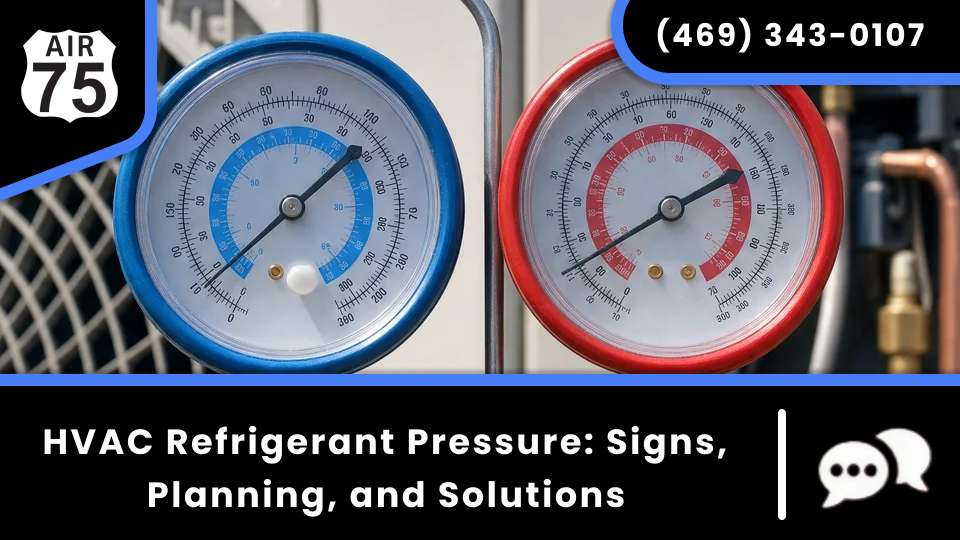
3. Refrigerant Leaks
Problem:
Low refrigerant prevents your air conditioner or heat pump from cooling efficiently. Leaks are typically the cause.
Signs:
- Warm air coming from vents
- Ice forming on refrigerant lines
- Hissing or bubbling sounds
- Increased energy bills
How to Fix It:
- Contact a licensed technician
- Have the system inspected, leak sealed, and refrigerant recharged
- Do not attempt to refill refrigerant yourself
This is one of the more serious HVAC troubleshooting tips that requires professional handling due to EPA regulations.
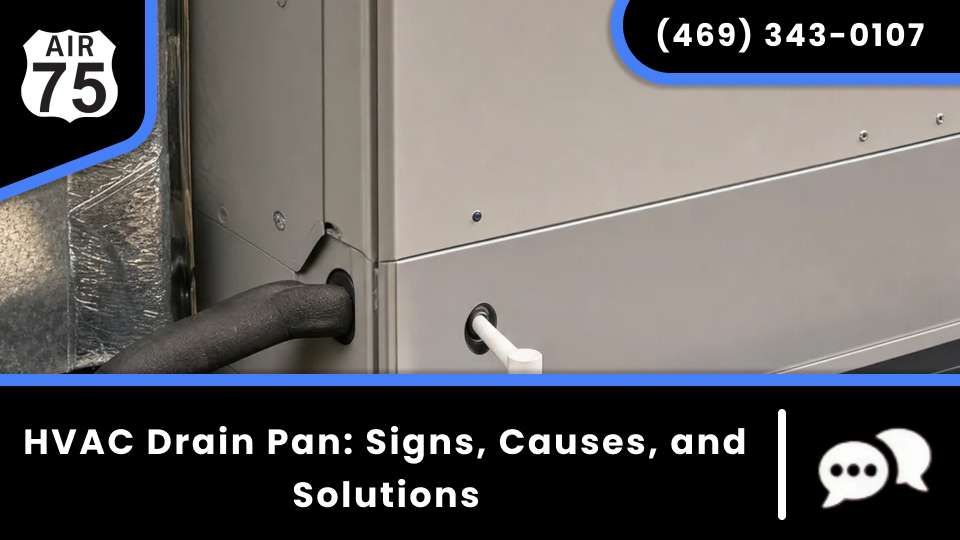
4. Blocked Condensate Drain Line
Problem:
The condensate drain removes moisture. Over time, it can clog with dirt, algae, or mold.
Signs:
- Water pooling near the air handler or furnace
- Musty odors indoors
- AC shuts down unexpectedly
How to Fix It:
- Turn off your system
- Use a wet/dry vacuum on the outdoor drain line
- Flush the pipe with distilled vinegar or cleaning solution
- Schedule regular line cleanings to avoid buildup
This issue can easily lead to water damage and mold if ignored.
5. Uneven Cooling or Heating
Problem:
Some rooms are too warm while others are too cold. This often signals airflow problems in HVAC systems caused by blocked vents or leaky ducts.
Signs:
- Temperature varies significantly between rooms
- Thermostat setting doesn’t match actual conditions
- System runs longer than usual
How to Fix It:
- Make sure all supply and return vents are open and unblocked
- Replace air filters
- Inspect visible ductwork for disconnects or leaks
- Consider adding zoning controls or dampers
This is a common problem in multi-level homes and older buildings.
6. Strange HVAC Noises
Problem:
All HVAC systems make noise, but certain sounds can signal mechanical or electrical problems in your unit.
Signs:
- Banging or clanking from ducts
- Screeching or squealing from the blower motor
- Humming, buzzing, or rattling from the unit
How to Fix It:
- Tighten any loose screws on panels or vents
- Replace worn belts or lubricate motors
- If sounds persist, schedule a professional inspection
Strange HVAC noises can be early warnings of component failure and should never be ignored.
7. HVAC Not Working at All
Problem:
If your system won’t power on, the issue could stem from a tripped breaker, blown fuse, or faulty component.
Signs:
- No air coming from vents
- Thermostat is blank or unresponsive
- Outdoor unit is silent
How to Fix It:
- Check the circuit breaker panel and reset if needed
- Ensure the HVAC switch (usually near the furnace) is turned on
- Replace thermostat batteries
- If the issue persists, contact an HVAC technician
This is one of the more serious frequent HVAC issues and typically requires professional troubleshooting.
8. Short Cycling (Frequent On/Off)
Problem:
The system turns on and off rapidly, a behavior known as short cycling. This reduces efficiency and increases wear.
Signs:
- HVAC system starts and stops every few minutes
- Rooms never reach the desired temperature
- High energy bills
How to Fix It:
- Replace the air filter
- Check if the thermostat is placed near a heat source or draft
- Inspect refrigerant levels
- Have a technician evaluate the system if the issue continues
Short cycling is one of the most energy-wasting common HVAC problems and can shorten system lifespan.
9. Tripped Breakers or Blown Fuses
Problem:
HVAC systems draw significant power. Electrical overloads can trip breakers or blow fuses, halting operation.
Signs:
- HVAC system shuts off randomly
- You must reset the breaker frequently
- Electrical panel feels warm or smells burnt
How to Fix It:
- Don’t attempt DIY repairs for electrical issues
- Have an electrician or HVAC technician inspect your unit
- Check for compressor problems, fan motor failure, or wiring issues
This is a critical safety concern and should be addressed by licensed professionals only.
Preventing Common HVAC Problems
Most frequent HVAC issues can be avoided with routine care. Regular maintenance helps identify small issues before they become major problems.
Recommended Maintenance Tips:
- Change filters every 1 to 3 months
- Clear debris from around outdoor units
- Schedule professional tune-ups twice a year
- Test thermostat functions seasonally
- Flush condensate drain lines annually
- Monitor your system for any unusual changes in behavior or noise
These simple HVAC troubleshooting tips help prevent breakdowns and extend your system’s life.
When to Call a Professional
While some HVAC problems are fixable by homeowners, others require expert attention. Call a technician if:
- Your HVAC is not working after basic troubleshooting
- You notice strange sounds or odors
- There are visible leaks or refrigerant issues
- The circuit keeps tripping
- Indoor temperatures are wildly inconsistent
Prompt service helps avoid costly repairs and unexpected system failures during extreme temperatures.
Final Thoughts: Be Proactive with HVAC Repairs
Understanding common HVAC problems allows you to take control of your home’s comfort and energy efficiency. From noisy HVAC systems to poor airflow and complete system failures, early detection and basic HVAC repair advice can go a long way in keeping your system running properly.
Stay ahead by changing filters, cleaning drain lines, and booking seasonal check-ups. And when needed, trust a certified HVAC professional to handle complex issues and keep your system in peak condition.