Furthermore, a failing HVAC gas valve threatens your comfort, your safety, and your heating system. Moreover, a worn furnace gas valve often sparks strange noises and weak, uneven heat. Specifically, a sudden gas valve failure leaves many homes cold on the harshest winter nights. Additionally, one nagging gas valve malfunction wastes fuel and drives your energy bills higher. Consequently, a timely gas valve replacement restores steady, reliable, and efficient heat quickly. Meanwhile, a fresh new gas valve seals tight and controls fuel flow precisely. Likewise, common furnace gas valve problems usually start small before they grow expensive. Therefore, spotting HVAC gas valve issues early saves you money and real headaches. Accordingly, homeowners searching HVAC gas valve repair near you want fast, honest, licensed help. Ultimately, our team answers HVAC gas valve repair near me calls across the region daily.
How the HVAC Gas Valve Controls Your Heat
Generally, the HVAC gas valve manages the exact fuel your furnace burns each cycle. Notably, this small part opens and closes on precise electrical signals. Therefore, it feeds the burners only when your system truly calls for heat. Additionally, a healthy furnace gas valve keeps that fuel flow safe and steady.
Reading the HVAC Gas Valve Signal
Specifically, the thermostat sends a low-voltage signal toward the HVAC gas valve. Meanwhile, the control board confirms that signal before any fuel moves. Consequently, the valve opens only after every safety check passes. Therefore, this careful sequence protects your family from raw gas leaks.
Safe Ignition and Fuel Flow
Subsequently, an igniter or pilot lights the burners the moment fuel arrives. Additionally, the valve meters that fuel for a clean, even flame. Naturally, a steady flame means efficient, quiet, and reliable heat. Therefore, proper fuel control lowers both risk and running costs.
Warning Signs of HVAC Gas Valve Failure
Often, clear warning signs point straight toward an HVAC gas valve failure. Moreover, this trouble rarely fixes itself without expert help. Therefore, alert homeowners watch for these red flags all winter. Additionally, fast action here prevents a freezing, dangerous breakdown later.
No Heat or Short Cycling
Typically, a dead valve leaves your burners cold despite a running blower. Meanwhile, a partial fault makes the furnace short cycle oddly. Consequently, your home never reaches the temperature you actually set. Therefore, uneven heat like this signals real trouble inside the valve.
Clicking Sounds and Delayed Ignition
Notably, a sharp click without ignition often reveals a stuck valve. Additionally, delayed lighting lets raw fuel gather before the flame catches. Consequently, that small delay creates a genuine safety hazard. Therefore, you should shut the system down and call a pro.
What Causes a Furnace Gas Valve Malfunction
Generally, several everyday factors trigger a furnace gas valve malfunction over time. Moreover, age, dirt, and moisture all attack this hardworking part. Therefore, understanding these causes helps you stop early trouble. Additionally, regular care slows the wear that ruins any furnace gas valve.
Age, Rust, and a Stuck Furnace Gas Valve
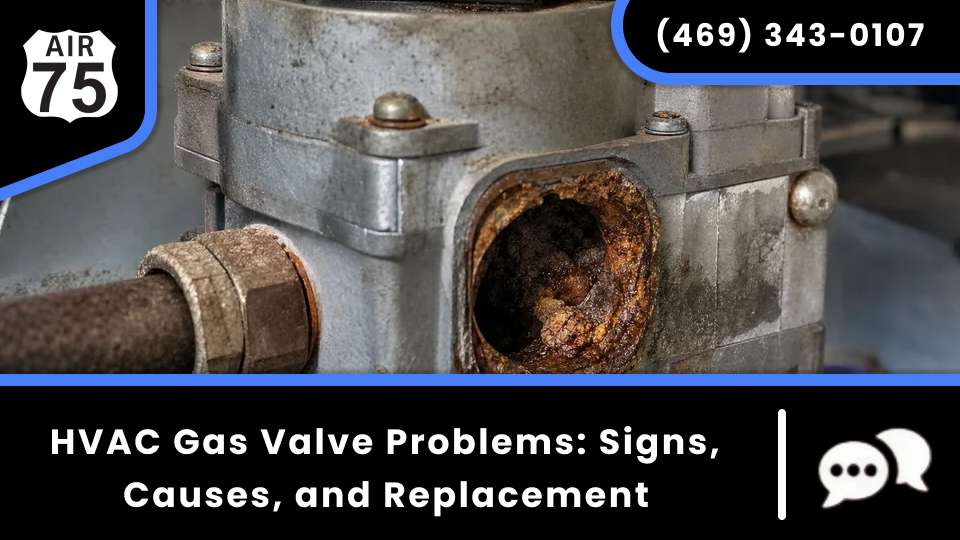
Typically, years of heating cycles wear the internal parts of a furnace gas valve. Meanwhile, rust and corrosion cause the plunger to stick or drag. Consequently, an aging valve loses its tight, reliable seal. Therefore, older units face a higher gas valve failure risk each season.
Dirt, Debris, and Wiring Faults
Often, dust and debris clog the tiny ports inside the valve. Additionally, loose or corroded wiring starves the coil of steady power. Consequently, weak signals cause an intermittent valve fault. Therefore, clean components and solid wiring keep the valve dependable.
When You Need HVAC Gas Valve Replacement
Often, only a full HVAC gas valve replacement solves a stubborn problem. Moreover, a cracked or corroded valve rarely responds to simple repairs. Therefore, a timely gas valve replacement protects your family and your furnace. Additionally, a fresh valve restores safe, efficient heat right away.
Repair or Replace Your HVAC Gas Valve
Generally, a technician weighs the valve’s age against the repair cost. Moreover, a newer valve with a minor fault may need only a small fix. Conversely, an old, rusted valve usually earns a full swap. Therefore, an honest pro guides you toward the smarter choice.
Choosing a New Furnace Gas Valve
Importantly, the right new furnace gas valve must match your exact furnace model. Moreover, voltage, pressure, and threading all differ across brands. Therefore, a careful match prevents leaks and future gas valve failure. Additionally, a proper new gas valve fits tight and performs for years.
Matching the Right New Gas Valve
Specifically, a technician checks the rating plate before ordering any part. Meanwhile, they confirm inlet pressure and the correct redundant design. Consequently, the fresh valve meets every code and safety standard. Therefore, correct sizing keeps your warranty and coverage intact.
Preventing Furnace Gas Valve Problems
Naturally, steady maintenance prevents most furnace gas valve problems before they start. Moreover, small habits protect this part from dirt and corrosion. Therefore, smart owners schedule a yearly furnace tune-up without fail. Additionally, early checks catch HVAC gas valve issues while repairs stay cheap.
Seasonal Tune-ups Stop Problems Early
Regularly, a fall tune-up spots worn parts before the cold arrives. Additionally, a technician cleans the valve area and tests the fuel pressure. Consequently, this quick visit heads off many furnace gas valve problems. Therefore, seasonal care keeps your heat safe and steady.
Why Pros Handle HVAC Gas Valve Repair
Above all, licensed pros handle every HVAC gas valve repair safely and correctly. Moreover, gas work carries real risks that demand trained, careful hands. Therefore, you should never attempt this dangerous job yourself. Additionally, certified technicians follow strict codes on every single call. For instance, the ASHRAE standards guide safe, modern heating practice.
Licensed Pros and Real Safety
Notably, a trained technician tests for leaks after every valve swap. Moreover, they verify flame quality and safe combustion before leaving. Consequently, you gain real peace of mind and lasting safety. Therefore, professional service always beats a risky do-it-yourself attempt.
Fixing HVAC Gas Valve Problems Before They Spread
Ultimately, small HVAC gas valve problems rarely stay small for very long. Moreover, a minor valve fault can grow into a total heat loss. Therefore, timely repair protects your comfort, your safety, and your budget. Additionally, our licensed crews diagnose, repair, and replace with proven care. Consequently, your furnace runs safely and efficiently through every cold month. Therefore, contact Air75 HVAC for HVAC gas valve repair near you today.
Phone: (469) 343-0107
Email: info@air75hvac.com
Website: https://www.air75hvac.com/