Furthermore, a faulty HVAC flame sensor ranks among the most common reasons a gas furnace stops heating. Moreover, this small part, the HVAC flame detector, confirms that your burners actually light. Specifically, the furnace flame sensor, also called the furnace flame rod, signals the control board to keep gas flowing. Consequently, dirt on the rod triggers short cycling and cold rooms. Therefore, prompt flame sensor cleaning, or thorough flame sensor maintenance, often restores reliable heat. Conversely, when grime returns fast, flame sensor replacement, or full flame sensor repair, becomes the smarter move. Additionally, homeowners searching for HVAC flame sensor near you, or HVAC flame sensor near me, want fast, honest help. Ultimately, this guide explains the warning signs, the causes, and the proven fixes.
What an HVAC Flame Sensor Does
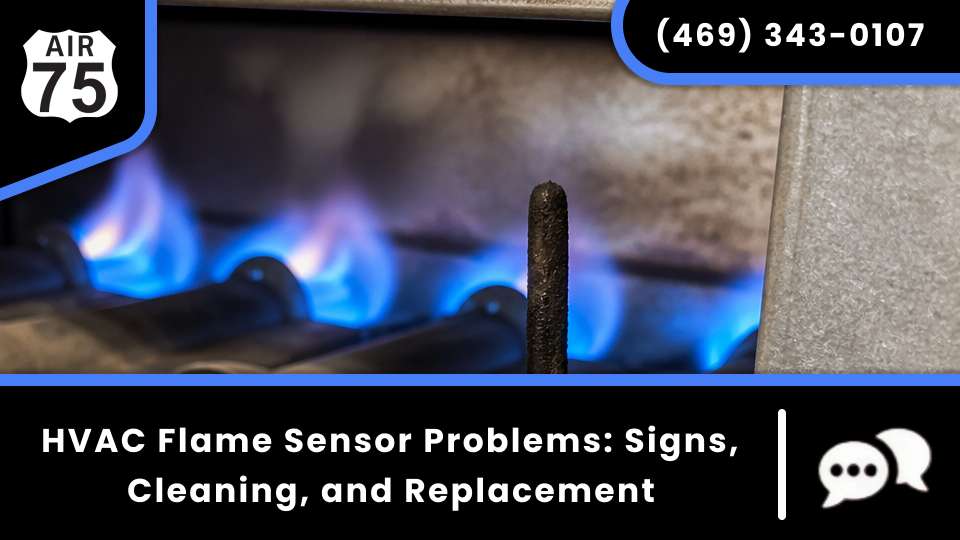
Firstly, the HVAC flame sensor sits directly in the path of the burner flame. Specifically, this thin metal rod uses flame rectification to detect real fire. Moreover, the flame conducts a tiny electrical current through the rod. Therefore, the control board reads that current and trusts the flame exists. Consequently, the board allows the gas valve to stay open safely. Otherwise, without that signal, the board shuts the gas off within seconds. Thus, this safety check protects your home from raw, unburned gas.
How the Safety Rod Protects Your Home
Notably, the flame detector prevents dangerous gas buildup inside your furnace. Furthermore, it confirms ignition before the system commits more fuel. Meanwhile, a clean rod reads the flame current accurately every cycle. Therefore, your furnace runs full heating cycles without nuisance shutdowns. Conversely, a fouled rod misreads the flame and stops the burners early.
Warning Signs of a Failing Furnace Flame Sensor
Typically, a weak furnace flame sensor causes the burners to light and then quit. Specifically, you notice the furnace short cycling every few minutes. Moreover, the blower may push cool air through your vents. Additionally, you might hear repeated clicking as the system tries again. Therefore, these patterns point straight at the flame rod. Subsequently, ignoring them leads to longer outages and colder rooms.
Short Cycling and the Flame Rod
Notably, short cycling describes a furnace that starts and stops too often. Furthermore, a dirty furnace flame rod triggers this exact behavior. Specifically, the rod loses sight of the flame within seconds. Therefore, the board cuts the gas as a safety response. Consequently, the furnace restarts, lights, and fails again repeatedly. Thus, this cycle wastes energy and strains other parts.
Soot and Residue on the Rod
Generally, the HVAC flame detector collects soot, carbon, and oxidation over time. Moreover, this thin coating blocks the flame current. Consequently, the rod sends a weaker signal to the board. Therefore, the furnace reacts as though no flame exists. Subsequently, simple flame sensor cleaning often clears the residue completely.
Why a Flame Detector Gets Dirty or Fails
Generally, normal combustion leaves carbon residue on the rod surface. Additionally, dust and household debris accelerate the buildup. Moreover, age weakens the metal and degrades the signal. Furthermore, poor airflow or a clogged filter raises soot production. Therefore, regular maintenance keeps your HVAC flame sensor clean and responsive. Consequently, neglect shortens the life of this affordable part.
Age and Wear on the Flame Rod
Eventually, even a clean furnace flame rod wears out from constant heat. Moreover, the metal oxidizes and cracks after many seasons. Therefore, cleaning no longer restores a strong, steady signal. Consequently, flame sensor replacement becomes the only lasting fix. Notably, a fresh rod restores full, reliable heating quickly.
Airflow Problems That Stress the Rod
Similarly, a dirty filter starves the burners of clean air. Consequently, incomplete combustion deposits extra soot on the flame detector. Moreover, blocked vents raise internal temperatures and speed wear. Therefore, you should change filters on a regular schedule. Additionally, clear airflow protects the rod between service visits.
Flame Sensor Cleaning Step by Step
Firstly, turn off power and gas before any flame sensor cleaning attempt. Subsequently, remove the single screw that holds the rod in place. Moreover, slide the rod out carefully without bending the metal. Subsequently, rub the surface gently with fine steel wool or emery cloth. Therefore, you remove the carbon film that blocks the current. Finally, reinstall the rod and restore power to test the furnace. Notably, this HVAC flame sensor maintenance often takes under thirty minutes.
When a Simple Cleaning Is Enough
Typically, a lightly fouled flame detector responds well to a careful cleaning. Moreover, the furnace then completes full cycles without early shutdowns. Therefore, you save money compared to a full part swap. Notably, you should track how soon the symptoms return. Consequently, fast recurrence signals a deeper issue beyond simple residue.
Flame Sensor Replacement and Repair Options
Importantly, HVAC flame sensor replacement solves problems that cleaning cannot reach. Specifically, a cracked or pitted flame detector needs a brand-new part. Moreover, technicians match the exact rod to your furnace model. Therefore, professional flame sensor repair guarantees a precise, lasting fit. Additionally, the part itself usually costs very little. Consequently, fast service restores heat and your peace of mind.
DIY Versus Professional Flame Sensor Repair
Generally, confident homeowners handle basic flame sensor repair on their own. Nevertheless, gas appliances carry real safety risks during handling. Therefore, a licensed technician inspects the burners and gas valve too. Moreover, the pro confirms safe combustion across the whole system. Consequently, professional service protects your family and your warranty.
Preventive Care for Your Flame Detector
Typically, annual tune-ups keep the HVAC flame detector clean and dependable. Moreover, a technician inspects the rod during every fall maintenance visit. Additionally, fresh filters reduce the soot that fouls the rod. Therefore, you avoid surprise breakdowns on the coldest nights. Notably, the experts at ASHRAE tie regular maintenance to safe, efficient furnace operation. Consequently, small habits protect your comfort all winter long.
Scheduling Your Annual Tune-Up
Typically, you book flame sensor maintenance before the heating season begins. Furthermore, early service catches a weak rod before it fails. Therefore, you enjoy steady warmth without emergency repair calls. Moreover, planned visits cost less than late-night service. Consequently, prevention always beats a frozen house.
Stop Furnace Short Cycling With a Healthy HVAC Flame Sensor
Ultimately, a healthy HVAC flame sensor keeps your furnace heating safely and reliably. Furthermore, the flame detector confirms ignition and prevents dangerous gas buildup. Moreover, simple cleaning revives a lightly fouled rod fast. Conversely, a worn rod needs prompt replacement for lasting results. Therefore, trust trained technicians to diagnose and fix the real problem. Accordingly, you avoid cold rooms, wasted fuel, and repeated breakdowns. Therefore, contact Air75 HVAC for HVAC flame sensor near you today.
Phone: (469) 343-0107
Email: info@air75hvac.com
Website: https://www.air75hvac.com/