HVAC humidity problems make your home feel sticky, uncomfortable, and unhealthy. HVAC moisture issues develop when your system fails to remove enough water from the air. High humidity in house environments encourages mold growth and dust mite activity. In addition, excess indoor humidity damages wood floors, paint, and furniture over time. HVAC dehumidification removes moisture as air passes through your cooling system. Furthermore, a whole house dehumidifier works alongside your HVAC to maintain ideal levels. Proper HVAC humidity control keeps your indoor air between 30 and 50 percent relative humidity. Effective home humidity management protects both your health and your property. If your home feels muggy despite running the air conditioner, search for HVAC humidity problems near you for professional help.
What Causes HVAC Humidity Problems in Your Home
Several factors contribute to HVAC humidity problems where HVAC dehumidification is much needed. However, most cases trace back to equipment issues or home conditions that overwhelm your system.
Here are the most common causes:
- An oversized air conditioner that cools too fast without removing moisture
- A dirty or clogged evaporator coil that reduces dehumidification
- Low refrigerant levels that prevent proper cooling and moisture removal
- Leaky ductwork that pulls humid air from attics or crawl spaces
- A fan set to “on” instead of “auto” which blows moisture back into the home
- Poor home ventilation that traps moist air inside
Because each cause requires a different fix and HVAC dehumidification, identifying the source is the first step. Therefore, a professional HVAC inspection pinpoints exactly why your system struggles with moisture.
Signs of High Humidity in House Environments
High humidity in house spaces often shows up before you feel it. In fact, visible signs appear on walls, windows, and surfaces throughout your home.
Watch for these warning signs of excess indoor humidity:
- Condensation forming on windows and glass doors
- A musty or damp smell in certain rooms
- Mold or mildew spots on walls, ceilings, or bathrooms
- Peeling paint or bubbling wallpaper
- Warped or buckled hardwood floors
- A sticky or clammy feeling on your skin indoors
- Increased allergy symptoms or respiratory issues
If you notice several of these signs, your HVAC system is not removing enough moisture because you have high humidity in house. Moreover, ignoring these symptoms leads to structural damage and health risks. Therefore, acting quickly protects your home and your family.
How Your HVAC System Controls Humidity
Your air conditioner does more than cool the air it removed high humidity in house. Specifically, it also removes moisture as a natural part of the cooling process. Understanding how this works helps you spot problems early like HVAC humidity problems.
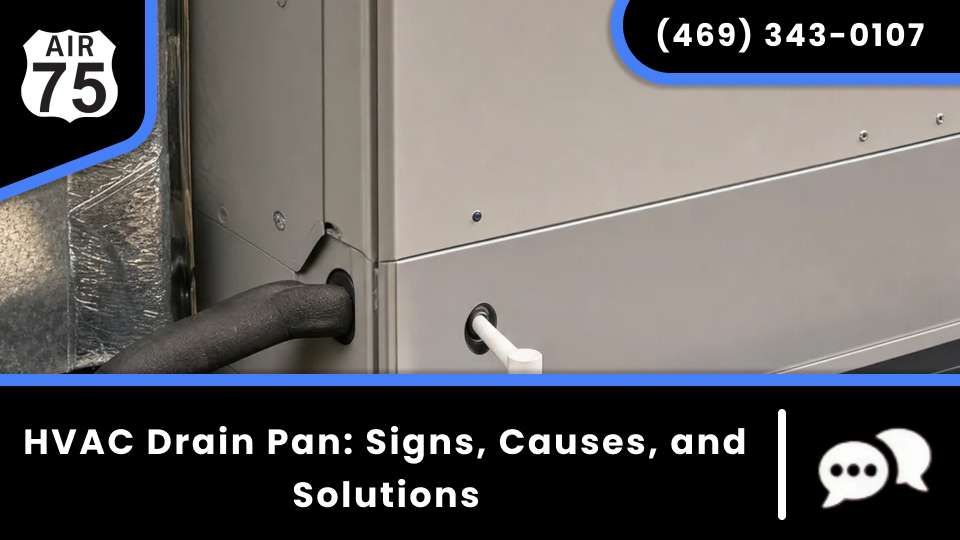
When warm, humid air passes over the cold evaporator coil, moisture condenses on the coil surface. Consequently, this water drips into a drain pan and exits through a condensate line. As a result, the air that returns to your rooms is both cooler and drier.
However, several things can disrupt this process:
- An oversized unit cools the air too quickly and shuts off before enough moisture is removed
- A dirty coil reduces surface area for condensation
- A frozen coil stops dehumidification entirely
- A broken condensate drain causes water to back up into the system
Because proper HVAC humidity control depends on every component working together, even a small issue can throw off the balance. Therefore, regular maintenance keeps the dehumidification process running smoothly.
HVAC Dehumidification: How It Works and When You Need More
Standard HVAC dehumidification handles moderate humidity in most homes. However, some situations demand additional help. Specifically, homes in humid climates, older homes with poor sealing, and homes with crawl spaces often need extra support as they have HVAC humidity problems.
Here are signs that your standard system needs a boost:
- Your air conditioner runs constantly but the air still feels damp
- Indoor humidity stays above 50 percent even with the AC on
- You see condensation on cold surfaces throughout the day
- Mold returns quickly after cleaning
In these cases, a whole house dehumidifier solves the problem. Furthermore, a whole house dehumidifier integrates directly into your existing ductwork. It pulls moisture from the air before your HVAC system distributes it through the home. As a result, every room reaches a comfortable humidity level without overworking your air conditioner.
Additionally, standalone portable dehumidifiers only treat one room at a time. Therefore, a whole house system provides consistent results across your entire home.
HVAC Humidity Control Tips Every Homeowner Should Follow
Proper HVAC humidity control combines smart habits with the right equipment. In fact, small changes often produce noticeable improvements. Here are practical tips for effective home humidity management.
Set your thermostat fan to “auto” When the fan runs on “auto,” it only operates during cooling cycles. Consequently, moisture collected on the evaporator coil drains away properly. However, leaving the fan on “on” blows that moisture right back into your home.
Change your air filter regularly A clogged filter restricts airflow over the evaporator coil. As a result, the coil cannot remove moisture efficiently. Therefore, replace your filter every one to three months depending on usage.
Schedule annual HVAC maintenance A professional tune-up includes cleaning the evaporator coil, checking refrigerant levels, and inspecting the condensate drain. Specifically, these steps directly affect your system’s ability to manage humidity.
Seal air leaks around your home Humid outdoor air enters through gaps around windows, doors, and ductwork. In addition, attics and crawl spaces are common sources of moisture infiltration. Sealing these leaks reduces the load on your HVAC system.
Use exhaust fans in kitchens and bathrooms Cooking and showering add significant moisture to your indoor air. Therefore, always run exhaust fans during these activities and for 15 minutes afterward.
Consider a whole house dehumidifier If your HVAC system cannot keep humidity below 50 percent on its own, adding a dehumidifier is the most effective solution. Furthermore, professional installation ensures it works seamlessly with your existing system.
The Health Risks of Ignoring HVAC Moisture Issues
HVAC moisture issues affect more than your comfort. In fact, prolonged high humidity creates real health hazards for your household.
Mold thrives in environments above 60 percent relative humidity. Consequently, mold spores spread through your ductwork and into every room. As a result, family members may experience coughing, sneezing, eye irritation, and worsening asthma symptoms.
Dust mites also multiply rapidly in humid conditions. Moreover, their waste particles are a leading trigger for indoor allergies. Additionally, bacteria and viruses survive longer in moist air, increasing the risk of illness.
Here are the main health risks of uncontrolled indoor humidity:
- Mold-related respiratory infections and allergic reactions
- Increased asthma attacks and breathing difficulty
- Dust mite allergies that worsen at night
- Skin irritation and fungal infections
- Headaches and fatigue from poor air quality
Because these risks affect children, elderly family members, and anyone with respiratory conditions most severely, addressing HVAC humidity problems quickly is essential.
When to Call a Professional for HVAC Humidity Problems Near You
Some humidity issues require professional diagnosis and repair. Therefore, call an HVAC technician if you notice any of the following situations.
- Your home stays above 50 percent humidity despite running the AC
- Mold keeps returning after you clean it
- Your air conditioner runs nonstop without lowering humidity
- You see water pooling around your indoor HVAC unit
- Multiple rooms feel damp or smell musty at the same time
- Your energy bills spike without a change in usage
A professional HVAC technician identifies the root cause quickly. Specifically, they test refrigerant levels, inspect coils, check ductwork, and measure airflow. In addition, they recommend the best solution based on your home’s specific needs.
Furthermore, do not attempt to add refrigerant or repair coils yourself. These tasks require specialized tools and certified training. Instead, trust a licensed professional to restore proper HVAC dehumidification safely.
Take Control of Your Home’s Humidity Today
HVAC humidity problems affect your comfort, your health, and your home’s structure. However, the right combination of maintenance, equipment, and professional support solves most issues quickly. Therefore, understanding how HVAC humidity control works puts you in charge of your indoor environment.
Schedule an HVAC inspection to identify the source of your moisture issues. Also, invest in regular maintenance to keep your system running at peak performance. If standard cooling is not enough, ask about a whole house dehumidifier for consistent results.
Your home should feel cool, dry, and comfortable all year long. If humidity problems persist, contact a professional for HVAC humidity problems near you today. Call now to schedule your appointment and get a free estimate.
Phone: (469) 343-0107
Email: info@air75hvac.com
Website: https://www.air75hvac.com/