How to Know When It’s Time for an Upgrade
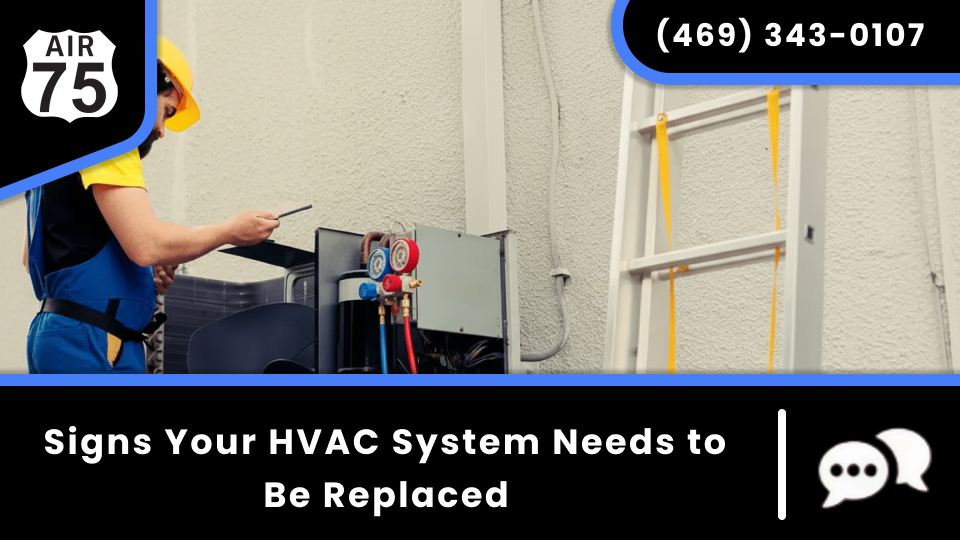
Recognizing the signs your HVAC system needs to be replaced is essential for keeping your home comfortable, efficient, and safe. As heating and cooling systems age, they become less reliable and more expensive to operate. If you’ve noticed a spike in energy bills, uneven temperatures, or frequent repairs, it might be time to consider a full HVAC system replacement. In this guide, we’ll walk you through the top warning signs of HVAC failure, including inconsistent heating and cooling, unusual noises, poor air quality, high energy bills, and aging systems—so you can make a confident and timely decision.
1. Your Energy Bills Are Climbing
One of the most obvious red flags that your HVAC system is nearing the end of its life is a steady increase in your energy bills. While seasonal changes can naturally affect utility costs, a consistent year-over-year rise often points to a system that’s losing efficiency.
Older systems have to work harder to achieve the same level of performance as they did when new. This extra strain causes them to draw more electricity or fuel, which you see reflected in your bills. Even if your thermostat is set as usual, your HVAC unit might be cycling longer or more frequently, especially if it’s struggling to maintain your desired indoor temperature.
Why this happens:
- Worn-out components
- Dirty coils or filters
- Failing compressor or blower motor
Solution: Have an HVAC technician perform an energy audit or system inspection. If inefficiency is due to age or major wear, replacing your HVAC system may actually save you more money over time.
2. Inconsistent Temperatures Throughout Your Home
If you find that some rooms in your house are always too hot or too cold despite your system running constantly, this is a major sign your HVAC system is no longer functioning properly. Uneven heating and cooling are often caused by issues such as duct leaks, failing thermostats, or an aging unit that can’t distribute air efficiently.
This symptom is not just inconvenient—it may also indicate more serious problems like insufficient airflow or improper system sizing. Older systems may also lack modern zoning capabilities that help regulate temperatures room-by-room.
Things to look out for:
- Cold spots or hot zones
- Weak airflow from vents
- Thermostat constantly needing adjustment
What you can do: If balancing dampers or ductwork fixes don’t solve the issue, it may be time to upgrade to a newer system with zoned control options.
3. Your System Is Over 10–15 Years Old
Like all mechanical systems, HVAC units have a lifespan. Most systems last about 10–15 years with regular maintenance. Beyond that point, efficiency decreases rapidly, and repair costs tend to rise.
New HVAC technologies offer much better energy ratings, smart capabilities, and eco-friendly refrigerants. Even if your older unit is still running, it’s likely costing you more than it should in energy and maintenance.
Benefits of replacing an old HVAC system:
- Improved energy efficiency (SEER ratings)
- Quieter operation
- Compatibility with smart thermostats
- Better indoor air quality
Tip: If your system is nearing or beyond its expected lifespan and you’re experiencing other problems like noise or poor performance, consider replacement rather than sinking money into repairs.
4. Frequent Repairs Are Adding Up
Occasional repairs are expected, but if you’ve had to call for service multiple times in a single year, that’s a clear signal something’s wrong. The costs of repeated fixes can quickly add up—especially when they involve expensive components like the compressor, motor, or coil.
In many cases, it’s more economical to invest in a new system than to keep patching up an old one. Not only will you save on repair costs, but you’ll also gain peace of mind with a warranty-covered new unit.
Signs your system is becoming a money pit:
- Two or more major repairs in a year
- Expired warranty coverage
- Rising labor and parts costs
What to consider: If a repair estimate is more than 50% the cost of a new HVAC system, replacement is usually the smarter choice.
5. Strange Noises or Odors Coming From the Unit
Unusual sounds such as banging, rattling, grinding, or hissing are more than annoying—they’re often signs of mechanical problems within your HVAC system. These noises can indicate anything from loose parts to a failing motor or blower.
Similarly, foul or musty smells can signal mold growth, burnt wiring, or trapped debris, all of which can compromise air quality and safety.
Common noises and their causes:
- Grinding: worn bearings
- Rattling: loose components
- Hissing: refrigerant leak
- Clanking: misaligned parts
Unpleasant odors may indicate:
- Mold in the ducts
- Electrical shorts
- Burned-out motors
Take action quickly: Ignoring these signs can lead to larger, more expensive issues—or even system failure.
6. Declining Indoor Air Quality
If you’ve noticed an increase in dust, allergies, or humidity problems, your HVAC system could be at fault. Older units may lack the proper filtration or dehumidification capacity that modern homes require. Plus, worn components can circulate dust and allergens more easily throughout your home.
Poor indoor air quality isn’t just uncomfortable—it can aggravate respiratory conditions and increase illness.
Warning signs include:
- Stale or musty air
- Increased allergy symptoms
- Visible dust buildup on vents or furniture
- High humidity despite system running
Upgrade benefits: New HVAC systems come with advanced filters, better humidity control, and more consistent airflow, helping you breathe easier all year long.
Final Thoughts: Don’t Ignore the Signs
Paying attention to these warning signs can save you from the frustration and cost of a full system failure. Whether it’s skyrocketing bills, uneven temperatures, or persistent repairs, recognizing when your HVAC system needs to be replaced gives you the chance to act before things get worse.
While the initial investment may seem daunting, modern HVAC systems provide energy savings, better comfort, and improved air quality—making them well worth the cost in the long run. If you’re experiencing several of the issues above, it’s probably time to speak with a licensed HVAC professional about your options.